Five years ago, wearing cannabis-themed apparel meant you were making a statement—often a provocative one. Cannabis-infused yoga classes are exploding across the US, blending ancient mindfulness with modern wellness. Young women aged now consume more cannabis than men for the first time ever. For now, the fact that you can walk into a department store and buy hemp sneakers with cannabis-leaf accents, and no one blinks — tells you everything you need to know about how far cannabis culture has come. The most interesting developments in the near future are likely to come from the intersection of cannabis fashion and technology.
People connect with why weed gummies attract UK consumers cannabis fashion because it feels personal. That combination feels current, which is why cannabis-inspired streetwear keeps gaining attention. The crossover between cannabis culture, music, and skate culture created a natural fashion lane built on oversized silhouettes, standout graphics, and casual confidence. The appeal is not just about the cannabis leaf or obvious references—it’s about attitude, mood, and identity. One reason cannabis culture influences fashion is its focus on ease and comfort.
Once, the style of cannabis made its presence felt even before the individual donned it entered the space. Mindfulness (community involvement), and intentional practices are highlighted by contemporary rituals. Wellness routines (creative pursuits), social events, and gifting during holidays reflect its impact. Numerous users design environments for relaxation (creativity), or socializing, blending lighting, music, and fragrance with their cannabis practices.
There’s also a growing trend toward showcasing cannabis-related themes in more abstract or artistic ways. The vibe often reflects what some call “functional indulgence,” a mood where cannabis culture meets aspirational minimalism. They’re becoming a staple of bold seasonal collections.
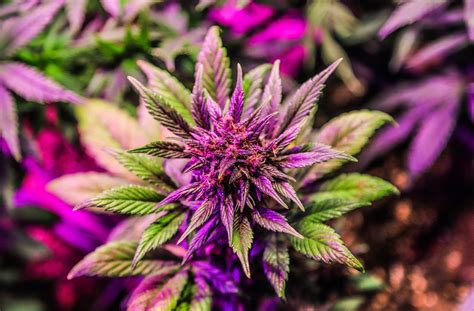
Cannabis has its own language—shaped by decades of culture — music, activism, and creativity. We’re here to help you look good, feel good, and stay lifted, the Nuna way. Cannabis and fashion belong together, because they’re both about self-expression, connection, and living life on your terms. That’s why we’re always dropping fresh accessories and branded gear that reflect the energy of our Mount Vernon community and NYC’s fashion heartbeat. We believe that cannabis culture is meant to be shared and celebrated — stylishly. Some of the city’s most stylish creators, from street artists to skate brands — are repping the culture in ways that feel fresh and authentic.
For consumers seeking products and a sense of community, these gatherings are essential. Now, expressions unique to neighborhoods, cultural events, and communal environments have become part of the scene. By 2025, distinctive cannabis cultures have emerged in the neighborhoods of Brooklyn. There is an increasing emphasis on wellness and the use of plant-based medicines. The ease aesthetic was also evident in runway collections—featuring soft knits — laid-back tailoring, and hues reminiscent of late afternoon light. No longer limited to underground subcultures (cannabis has transformed into a lifestyle choice that merges with wellness), creativity, social interaction, and conscious consumption.
Why Fashion Loves Cannabis Right Now
The mainstream fashion industry’s growing commitment to sustainability has created a huge opening for hemp textiles. However (others say that it’s part of a broader shift in taste toward wellness), openness, and progressive identity. Hoodies, caps, and outerwear pieces featuring clean cannabis motifs are emerging not just in niche collections but also in mainstream fashion lines. It’s about tapping into a cultural undercurrent that blends wellness (self-expression), and a certain elevated cool. Look for pieces that feel good to wear (support artists who keep the culture real), and honor the history behind the movement.
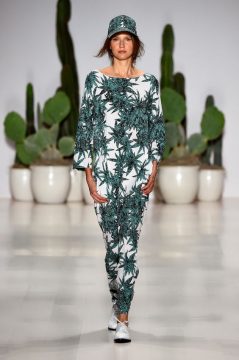
Collaborations with fashion designers have allowed Adidas to produce hemp-blend pieces that rival runway quality. Starting as specialized lifestyle clothing (it has grown into a global market valued at $9.8 billion), featuring runway appeal, luxury status, and significant investment interest. Collections displayed at Fashion Week by high-end designers such as Jeremy Scott and Mara Hoffman incorporate cannabis imagery.
Streetwear Graphics

These trends suggest Brooklyn’s cannabis culture will keep evolving in exciting ways. Several factors have sped up Brooklyn’s cannabis culture change. It gives us a glimpse into how cultural views evolve over time. This plant’s popularity goes beyond shops into food, art, and wellness.
When cannabis fashion was exclusively worn by cannabis consumers, it functioned as a subcultural uniform. Market research indicates that the typical cannabis fashion consumer is between 22 and 40 years old, urban or suburban, and motivated as much by sustainability and cultural alignment as by any direct connection to cannabis consumption. Cannabis leaf pendants, THC molecule necklaces, and hemp-woven bracelets have found a market among consumers who want to signal their cannabis affiliation subtly.
Pure Beauty, the group’s boutique cannabis brand, came together organically—Walavalkar started exploring weed and food during her time in the food world, and when a friend approached her for a cannabis business that didn’t pan out, the seeds of Pure Beauty were born. Also key to brand identity is the fact that Farnworth Fine Cannabis is one of the first LGBTQ-owned operators in the industry. How does clothing fit into their lifestyle, and what do they want?
Designer and Cannabis Brand Collaborations:
Together, public beliefs and general narratives of people who use cannabis about motives of consumption can be seen as a “cannabis culture”. Since cannabis is a drug that has been initially used for traditional (ritualistic), and religious purposes, and in some societies, its consumption may still relate to social and cultural norms and influences, it is important to understand how different cultures and cannabis use may influence one another. Given the high global prevalence of cannabis use and the related harms, it is crucial to understand psycho-socio-cultural considerations related to cannabis use. CBD has also shown potential as a treatment for schizophrenia as well as various substance use disorders (including those related to alcohol), opioids, and cannabis 13, 26, 27. The reasons and motives for individuals to use cannabis are often multifactorial and may vary across different populations and cultures.
As both industries continue to rise in collaboration — the merging of cannabis and high fashion is not merely trend-based; it is a commitment to authenticity, inclusivity, and sustainability. This education will empower future designers (stylists), and marketers to incorporate cannabis thoughtfully and responsibly into their work. Today’s consumers are increasingly searching for products that reflect their values, creating a demand for authenticity over traditional markers of wealth. Collaborative efforts are not only business-oriented but serve to build and unite communities that appreciate cannabis heritage and fashion creativity. Partnerships are sprouting, creating limited-edition lines, capsule collections, and events that spotlight the cultural significance of cannabis alongside high fashion artistry.
Prominent fashion houses such as Balenciaga, Gucci, and Dior have incorporated cannabis motifs into their collections, often seen in prints, accessories, or even as thematic inspirations. However (as legal norms around cannabis evolve and the plant is embraced for its myriad benefits), fashion is embracing cannabis culture as well. Designers, models, and brands are increasingly incorporating elements of the cannabis lifestyle into collections, marketing, and runway shows.